
Choline for Sports Performance
Supporting the Brain-Body Connection
From movement to neuromuscular communication, choline helps support the brain-body connection behind active performance.
Choline is an essential nutrient that supports the connection between the brain, nervous system, and muscles.1,2,3 For active adults, athletes, and performance-minded consumers, choline plays an important role in neuromuscular communication, physical readiness, and active performance support.

Why Choline Matters for Active Adults
Choline is often associated with prenatal nutrition, but its importance does not stop there. Throughout adulthood, choline continues to support essential functions tied to brain health, nervous system signaling, muscle control, and cellular function.1,2,3,4 As everyday demands evolve, choline remains a foundational nutrient for supporting how the mind and body perform together.
- Brain: Choline contributes to pathways involved in cognitive function and nervous system communication.
- Body: Choline plays a role in neuromuscular communication between the nervous system and muscles.
- Performance: Choline contributes to cellular and metabolic functions that support active lifestyles and daily performance demands.
Neuromuscular Communication: Where Performance Begins
Performance starts with communication. Choline is a precursor to acetylcholine, a neurotransmitter involved in signaling between nerves and muscles.1,5,6,7 This connection helps explain why choline is relevant to active nutrition: coordinated nerve-to-muscle communication supports movement, response, and muscle control.

Nervous System Signaling
Choline contributes to communication pathways within the nervous system that help coordinate movement and physical activity.

Nerve-to-Muscle Communication
As a precursor to acetylcholine, choline plays a role in the communication between the nervous system and muscles.

Active Performance Support
For active adults and athletes, choline helps support systems involved in coordination, movement, and muscle control.

Expanding Awareness of Choline Across the Lifespan
While choline is widely recognized for prenatal nutrition, its role across the lifespan is also important. As interest in active nutrition continues to grow, brands have an opportunity to help consumers better understand choline’s relevance to nervous system signaling, muscle communication, and active lifestyles.

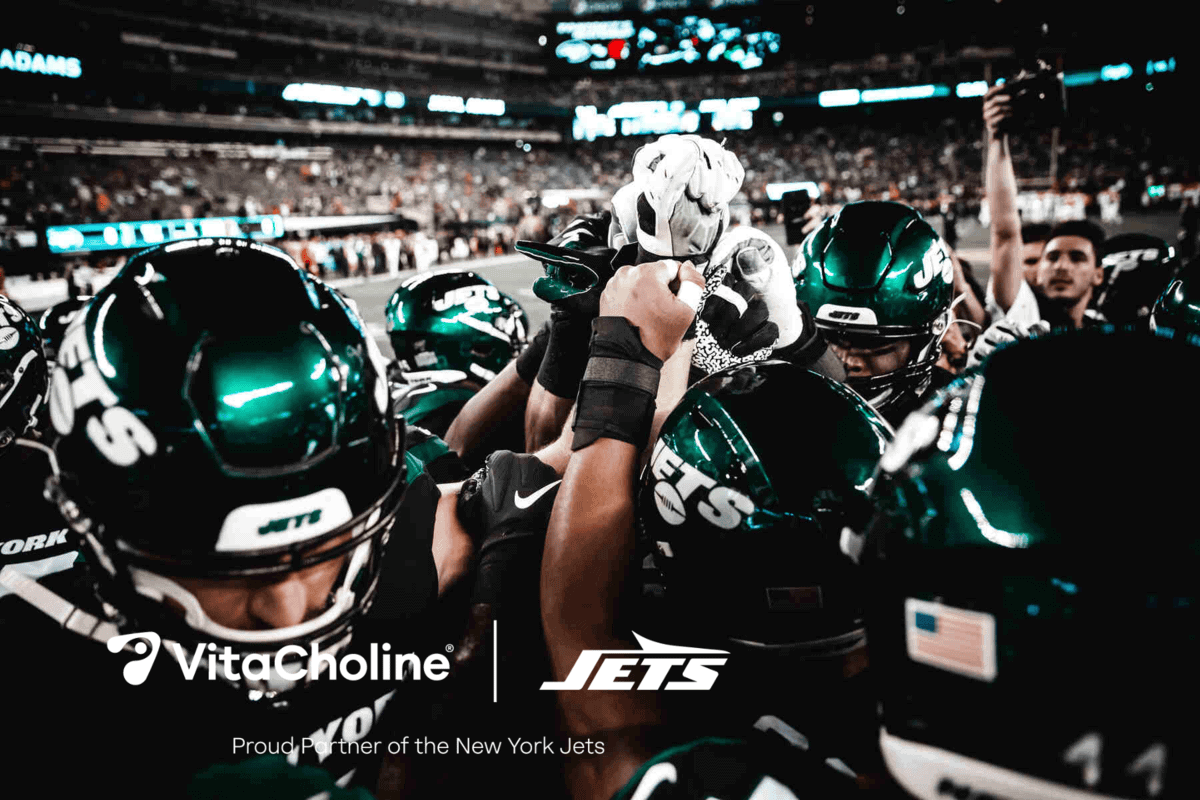
Frequently Asked Questions (FAQs) about Choline for Performance
What is choline’s role in performance?
Choline supports functions tied to the brain, nervous system, muscles, and cell membranes.1,2,4 This makes choline relevant to performance because coordinated communication helps support movement, nerve-to-muscle signaling, and muscle control.
How does choline support the brain–body connection?
Choline is a precursor to acetylcholine, a neurotransmitter involved in nerve and muscle communication.1,5,6,7 This helps support communication pathways involved in movement and muscle control.
Why is choline important for active adults?
Active adults place ongoing demands on systems involved in movement, neuromuscular communication, cellular function, and metabolism. Choline helps support these functions, making it relevant to active nutrition.
Is choline only important during pregnancy?
No. Choline is important across the lifespan. While it is well known for its role in prenatal nutrition, choline also supports adult brain, nervous system, muscle, and cellular functions.1,2,3,4
How does choline fit into sports nutrition?
Choline fits into sports nutrition through its role in neuromuscular communication, mind-body performance, movement, and cellular function. These areas help connect the mental and physical sides of performance.



Notice
You are now leaving the Balchem Corporation website and linking to a non-affiliated third Party site.