April 16, 2026
How VitaCholine® Supports Brain Health In Menopause: New Research On Working Memory And Brain Activation
New research shows that VitaCholine® may help support brain activation, functional efficiency, and working memory engagement in post‑menopausal women. Learn how 1650 mg per day of VitaCholine® may offer science‑driven support for brain health after menopause.

Cognitive performance such as memory, focus, and mental clarity is essential at every stage of life. From demanding workdays to healthy aging, the brain relies on a steady supply of key nutrients to support how it processes information and responds to challenges. One such nutrient is choline, an essential compound involved in brain structure, neurotransmission, and cellular signaling.
VitaCholine®, a highly bioavailable source of choline, is gaining scientific attention for its role in supporting cognitive function and brain efficiency. Growing research suggests that adequate choline intake may help optimize how the brain activates and engages during mentally demanding tasks, an insight with relevance far beyond any single life stage.
How VitaCholine® Supports Brain Health After Menopause
New findings show that VitaCholine® may provide targeted support for the post‑menopausal brain by influencing working memory activity and functional connectivity. Menopause brings natural hormonal changes that can influence cognitive experiences such as forgetfulness, mood changes, and difficulty concentrating.1 As estrogen activity in the brain shifts during this transition, many women seek nutritional strategies that may help support cognitive function.
Why Focus on VitaCholine® in Post‑Menopausal Women?
Choline is an essential nutrient required for healthy cell membrane structure, neurotransmitter production, and gene regulation in key brain regions. After menopause, the body’s own production of choline declines, which makes adequate intake increasingly important. VitaCholine® provides a highly bioavailable form of choline that can help support cognitive function during this life stage.
Growing scientific interest has led researchers to investigate how choline intake influences the post‑menopausal brain. Recent findings highlight the unique impact of VitaCholine® on brain activation and efficiency during working memory tasks.
What Does New Research Reveal About VitaCholine® and Cognitive Function?
A recent study by the University of Vermont in healthy post‑menopausal women examined the acute effects of 1650 mg of choline from VitaCholine® on brain function using functional MRI and a working memory task. Researchers found that VitaCholine® influenced a specific region of the brain known as the right temporal gyrus, a key node connected to the working memory network. This enabled greater functional connection to the brain’s working memory network when compared to placebo.
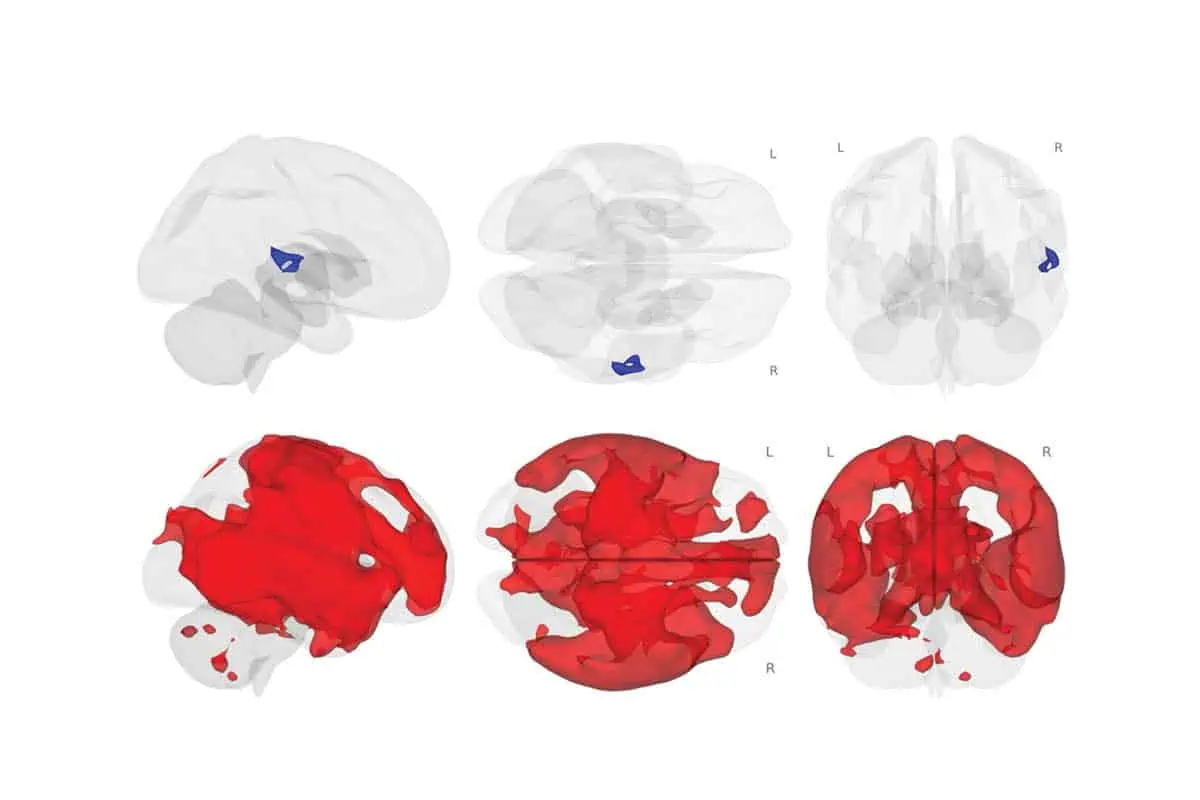
Compared with placebo, 1650 mg of VitaCholine® was associated with:
- Optimized brain activation during working memory challenges
- Increased functional efficiency
- Greater engagement of working memory circuitry
- Expanded connectivity between the right temporal gyrus and the working memory network
These findings suggest that VitaCholine® may help support how the post‑menopausal brain engages during cognitive tasks.
Red = Increased Activation
Blue = Decreased Activation
Why Does VitaCholine® Matter for Brain Health After Menopause?
VitaCholine® is the industry leading brand of the essential nutrient choline, which supports cognitive processes through its role in neuronal structure, acetylcholine synthesis, and gene expression pathways. The emerging evidence in post‑menopausal women offers a compelling opportunity to design science‑driven solutions that support brain function and cognition during midlife and beyond.
For brands developing women’s health products, VitaCholine® provides a clinically backed ingredient that aligns with consumer demand for targeted cognitive support during menopause.
While this study was conducted in a specific population group, menopausal women, its findings contribute to a broader understanding of how choline supports cognitive processing and neural communication. These mechanisms are relevant from prenatal across adulthood.