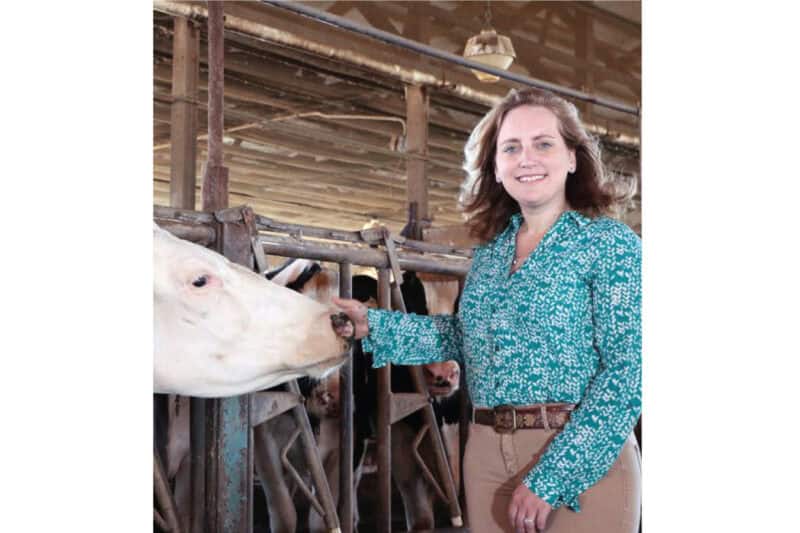
Rumen protozoa are among the most influential—and often misunderstood—microorganisms within the rumen ecosystem. In this webinar, Dr. Michael Dineen of Teagasc explores the latest science behind protozoal function and their impact on dairy cow performance, nutrient utilization, microbial protein synthesis, fatty acid metabolism, and methane emissions. As nutritional models continue to evolve, protozoa are emerging as a critical component in improving the accuracy of rumen fermentation predictions and advancing dairy nutrition strategies.
Rumen Protozoa: Key Players in the Rumen Microbiome
The webinar begins with an overview of the major groups of rumen protozoa, including entodiniomorphids and isotrichids, and their unique roles within the rumen microbiome. Dr. Dineen reviews how these microorganisms interact with bacteria and other rumen microbes, contributing to fiber digestion, carbohydrate metabolism, nutrient recycling, and overall rumen function. Their ability to influence fermentation dynamics makes them an increasingly important area of research in precision dairy nutrition. (08:41 – 17:37)
Friends or Foes? Evaluating the Impact of Protozoa
Protozoa have long been the subject of debate among ruminant nutritionists. Dr. Dineen examines findings from defaunation studies and explores both the positive and negative effects of protozoal populations within the rumen. Topics include impacts on fiber digestibility, nitrogen utilization efficiency, microbial protein synthesis, and overall animal productivity. The discussion highlights why understanding protozoal function is essential for optimizing dairy cow performance. (17:38 – 25:15)
Protozoa and Amino Acid & Fatty Acid Nutrition
Emerging research suggests that rumen protozoa play a more significant role in amino acid and fatty acid nutrition than previously recognized. The presentation discusses protozoal contributions to microbial protein flow, lysine supply, and amino acid availability, while also examining their role in transporting beneficial fatty acid intermediates such as conjugated linoleic acid (CLA) and vaccenic acid. These findings have important implications for improving nutrient efficiency and milk production. (25:16 – 30:18)
The Connection Between Protozoa and Methane Emissions
Methane mitigation remains a major focus for the dairy industry, and protozoa are closely linked to this challenge. Dr. Dineen reviews the symbiotic relationship between rumen protozoa and methanogens, explaining how these interactions contribute to enteric methane production. The webinar also explores potential opportunities and limitations of methane reduction strategies that target protozoal populations. (30:19 – 33:51)
Incorporating Protozoa into Modern Dairy Nutrition Models
A key focus of the presentation is the integration of protozoa into next-generation nutritional modeling systems, including CNCPS Version 7. Dr. Dineen explains how mechanistic modeling of protozoal populations can improve predictions of microbial protein synthesis, amino acid flow, rumen fermentation dynamics, and nutrient utilization. These advancements offer nutritionists a more comprehensive understanding of rumen function and support more accurate ration formulation. (33:52 – 42:54)
New Insights from Grazing Dairy Systems
Recent research is challenging long-held assumptions about protozoal growth and turnover rates. Drawing on data from grazing dairy systems, Dr. Dineen presents evidence that protozoa may grow and recycle much faster than previously believed. These findings provide valuable insights into their contribution to microbial protein supply and overall rumen efficiency, opening new avenues for research and nutritional management. ((42:55 – 51:47)
Future Opportunities for Dairy Performance and Sustainability
The webinar concludes with a forward-looking discussion on how dairy nutritionists may be able to optimize protozoal populations to improve productivity, nutrient efficiency, and environmental sustainability. Finally, Dr. Dineen addresses audience questions covering methane mitigation technologies, feed additives, grazing management, calf development, and practical applications for dairy nutrition programs. (51:48 – 1:15:32)