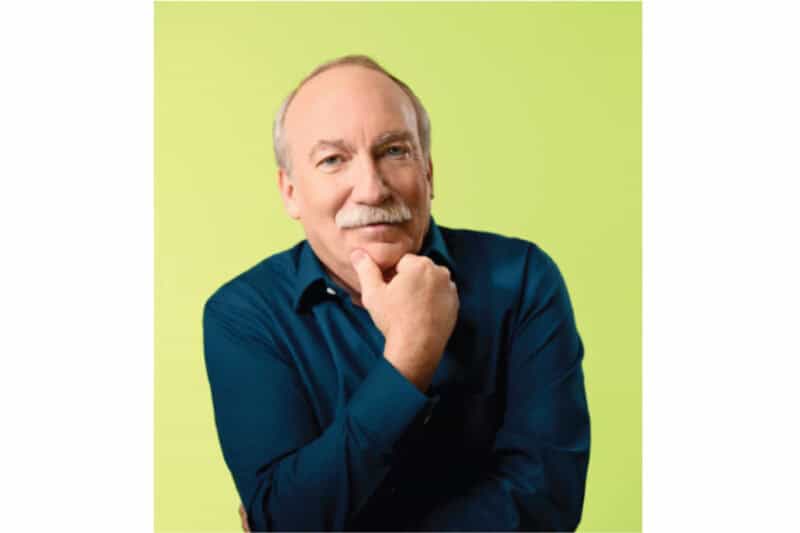
Recorded as part of the Real Science Lecture Series on companion animals. This webinar features Lindsay Braunn, Vice President of Research and Operations at the Human Animal Bond Research Institute (HABRI), who explores the science behind one of the most powerful relationships in our lives: the bond between people and pets.
Drawing on decades of research and HABRI-funded studies from leading universities around the world, Lindsay explains how the human-animal bond influences physical health, mental health, social well-being, child development, healthy aging, and animal welfare. She also discusses how a stronger bond drives pet owner decisions regarding veterinary care, nutrition, housing, and lifelong pet stewardship.
The presentation begins with an introduction to HABRI’s mission and the organization’s work supporting scientific research, education, and public policy initiatives focused on advancing the understanding of the human-animal bond. (00:00 – 07:01)
Lindsay then reviews the scientific foundations of the bond, including theories such as the biophilia hypothesis, the evolutionary history of human-animal relationships, social support theory, and the physiological role of oxytocin in strengthening attachment and reducing stress. (07:02 – 12:35)
The webinar explores evidence linking pet ownership to improved cardiovascular health, reduced mortality following cardiac events, lower stress levels, enhanced mental health, reduced loneliness, greater social connection, and increased community engagement. (12:36 – 17:04)
Special attention is given to how pets positively influence healthy aging, child development, learning outcomes, autism interventions, and daily quality of life. Research demonstrates that companion animals can provide social support, encourage healthy routines, and improve emotional well-being throughout every stage of life. (17:05 – 19:06)
Lindsay also highlights several HABRI-funded research projects, including landmark studies involving service dogs for veterans with PTSD, pets in classrooms, therapy animals in hospitals, and fostering programs pairing shelter cats with older adults living independently. These studies illustrate both the human and animal benefits of strong human-animal relationships. (19:07 – 26:00)
The discussion continues with emerging areas of research, including maternal health, child development, pet-inclusive housing, end-of-life experiences for pet owners, and innovative programs supporting pet retention and access to housing. (26:00 – 28:48)
The presentation then examines how pet owners perceive the human-animal bond and how awareness of scientific evidence influences their behavior. Research shows that pet owners who understand the health benefits of pet ownership are more likely to invest in preventive veterinary care, high-quality nutrition, and long-term pet wellness. (28:49 – 36:54)
The webinar also explores HABRI’s public policy initiatives, including efforts to expand pet-inclusive housing, increase access to veterinary care, support survivors of domestic violence with pets, and advance legislation that recognizes the importance of pets in society and public health. (36:55 – 42:00)
Finally, Lindsay discusses HABRI’s public awareness campaign, The Real Reason for Pets, which combines scientific evidence with the emotional realities of pet ownership to encourage responsible pet adoption and lifelong care. (42:00 – 46:58)
An engaging Q&A session follows, covering topics including autism, therapy animals, horses, cats, grief after pet loss, workplace policies, pet ownership trends, service dogs, housing challenges, and future directions for human-animal bond research. (47:04 – End)