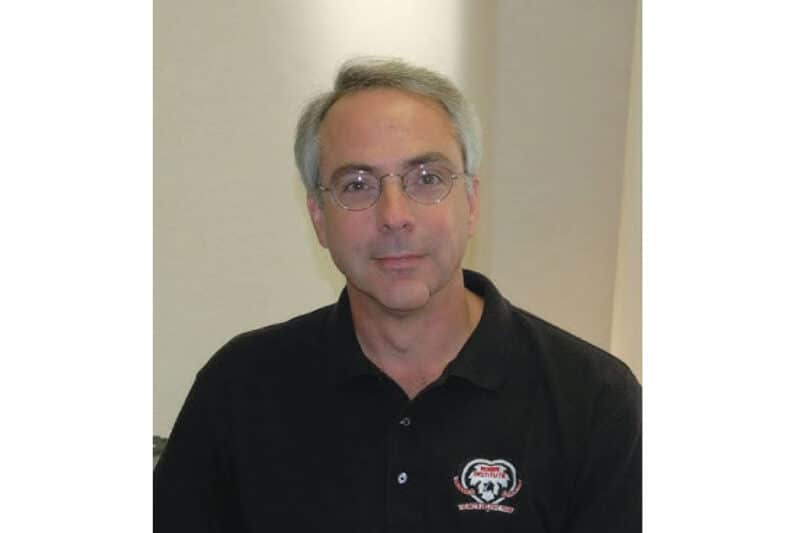
What if one innovation could help you get more value from your forage program while improving efficiency across the entire dairy? In this episode of Real Producer Exchange, Greg Friendshuh of Friendshuh Farms in Clear Lake, Wisconsin shares the story behind a silage separation system that began as a search for a lower-cost dry cow feed and evolved into a management strategy impacting the entire operation. Greg discusses how separating silage by particle size created two purpose-built feeds, allowing his team to maximize homegrown forage utilization while supporting production and operational goals.
Greg begins by introducing Friendshuh Farms and sharing the operation’s growth from approximately 50 cows in 2000 to today’s multi-generational dairy with roughly 1,400 cows and 3,700 acres of cropland. He explains how the farm’s focus on innovation, stewardship, and continuous improvement has guided major decisions over the years and set the stage for exploring new feeding strategies.
The conversation then turns to the origin of the silage separation project. What started as an effort to create a more economical and consistent feed for dry cows led Greg and his team to develop equipment capable of separating silage into distinct fractions. He explains the practical challenges, lessons learned during implementation, and how the separated feeds eventually found applications throughout the herd.
As the discussion continues, Greg shares how the new approach helped increase the use of homegrown forage across the operation. By strategically utilizing the separated feed fractions, Friendshuh Farms was able to push lactating cow diets to approximately 64% homegrown forage while feeding only one pound of ground corn. He discusses the nutrition and management considerations behind this approach and the importance of aligning forage quality with herd needs.
Greg also highlights the impact the system had on transition cow management. Replacing straw with the separated fiber fraction created a more consistent dry cow ration, helping simplify feeding programs and improve consistency from load to load. He explains the value of ration consistency and how feeding management decisions can influence overall herd performance during critical stages of production.
Looking toward the future, Greg discusses how improved efficiency and resource utilization continue to shape investment decisions at Friendshuh Farms. He shares how enhancing profitability and feed efficiency supports future growth opportunities, including planned facility improvements and preparing the next generation for leadership. The episode concludes with Greg’s perspective on focusing on controllable factors, continuously improving efficiency, and building a resilient dairy operation for years to come.
Whether you’re interested in forage management, dairy nutrition, feed efficiency, or practical farm innovation, this Real Producer Exchange webinar offers valuable insights from a producer who is constantly challenging conventional thinking and finding new ways to get more from his operation.