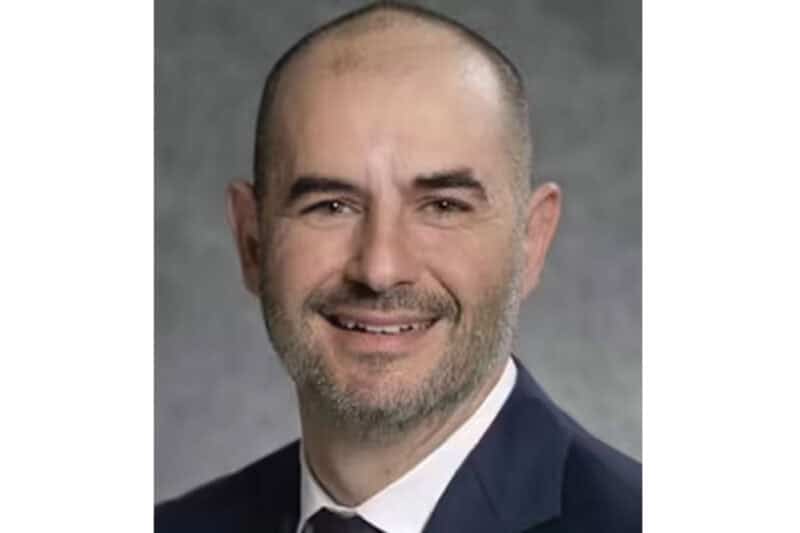
Dr. Trevisi reviews the biological and management challenges associated with dry-off, emphasizing that this period should not be viewed as a passive phase in the lactation cycle. Instead, dry-off represents the beginning of the next lactation and initiates a series of physiological, metabolic, and immunological adaptations that can influence cow performance for months after calving. (00:00 – 09:35)
The presentation begins with an overview of dry period length and mammary gland physiology. Dr. Trevisi explains how mammary remodeling and secretory cell turnover occur during the dry period and how increasing milk production and lactation persistency in modern dairy cows have made dry-off management more complex than ever before. (03:15 – 09:35)
The discussion then explores the multiple stressors associated with dry-off, including cessation of milking, dietary changes, regrouping, environmental changes, and alterations in daily routines. These stressors collectively create immunometabolic challenges that influence inflammation, oxidative stress, and metabolic adaptation. (09:36 – 16:32)
A major focus of the webinar examines mammary gland involution and immune responses following dry-off. Dr. Trevisi describes how increased mammary permeability, cellular remodeling, and movement of milk components into circulation contribute to inflammatory responses that must be properly resolved for optimal transition success. (16:33 – 21:05)
Attention then shifts to the importance of teat-end integrity and selective dry cow therapy. The presentation reviews the role of teat sphincters, keratin plugs, internal sealants, and proper udder health management in protecting cows from new intramammary infections during the dry period. (21:06 – 24:25)
Using data from several field studies, Dr. Trevisi demonstrates how inflammatory status at dry-off can influence cow performance far into the subsequent lactation. Markers such as albumin-to-globulin ratio, haptoglobin, ceruloplasmin, oxidative stress indicators, and metabolic biomarkers reveal that many clinically healthy cows may be experiencing underlying inflammation that negatively impacts future milk production. (24:26 – 32:45)
The webinar then examines the consequences of producing high levels of milk at dry-off. Research findings show that cows producing more than 15 kg/day at dry-off experience greater inflammatory responses, immune activation, and physiological stress compared with lower-producing cows. (32:46 – 40:55)
A substantial portion of the presentation evaluates nutritional strategies to reduce milk production before dry-off. Dr. Trevisi compares severe feed restriction approaches using hay-only diets with more moderate strategies involving early introduction of dry cow diets. Results suggest that aggressive feed restriction may reduce milk yield but can also increase lipolysis, inflammation, and negative carryover effects into the next lactation. (40:56 – 52:30)
The webinar also explores novel nutritional approaches to improve dry-off adaptation. Research evaluating supplementation with Aloe arborescens and other immunomodulatory compounds suggests opportunities to reduce inflammatory severity while supporting metabolic adaptation and subsequent milk production. (52:31 – 58:45)
The session concludes with practical recommendations for producers, emphasizing improved health monitoring at the end of lactation, strategic management of diet changes, minimizing social and environmental stressors, careful implementation of selective dry cow therapy, and the development of nutrition programs that support both immune function and inflammation resolution. (58:46 – 1:16:30)
The webinar concludes with an interactive Q&A session addressing milk production at dry-off, selective dry cow therapy, teat sealants, shortened dry periods, immune modulators, phytogenic compounds, extended lactations, and practical implementation strategies for modern dairy herds. (1:16:31 – End)