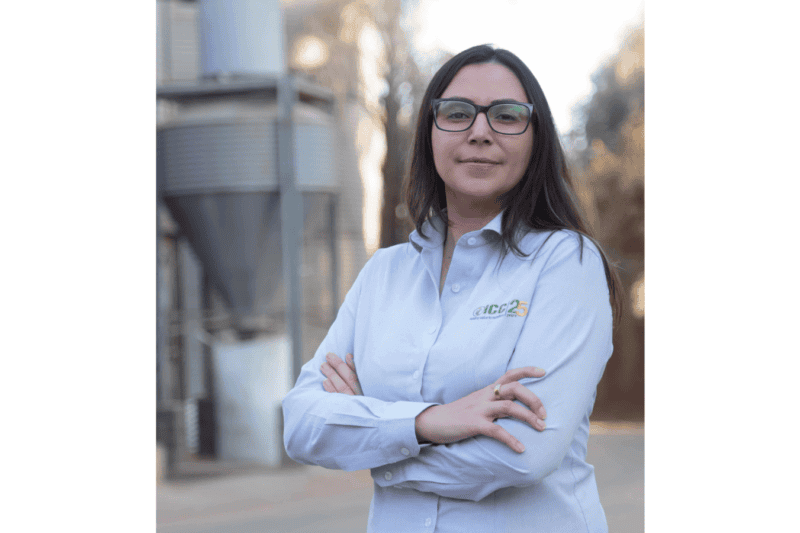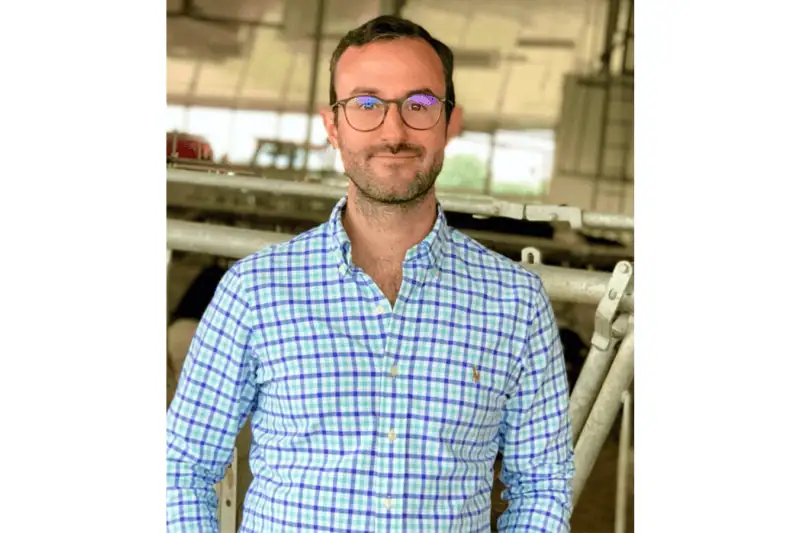
This episode’s guests were speakers on the Breeding and Genetics Symposium: Management of Genetic Diversity for Future-Proofing Dairy Cattle Breeding. This event was held at the ADSA 2025 Annual Meeting.
Management of Genetic Diversity for Future-Proofing Dairy Cattle Breeding
Timestamps:
Genetic resilience and the dynamics of inbreeding and diversity in dairy breeding. Dr. Maltecca (6:43)
First, the main issues in managing genetic diversity in dairy cattle include inbreeding depression and continuing selection without exhausting the available variability in the population. These are difficult to investigate in a breeding population, as there is not a model algorithm where there is the luxury of designing an experiment. Dairy cattle closely resemble one another, so it is difficult to distinguish between the effect of selection from the effect of drift and the effect of deleterious mutation accumulation in the population. Researchers find proxies to estimate inbreeding and inbreeding depression because we don’t have good estimates of dominance effects.
Identifying genetic diversity within indigenous and highly commercialized breeds for improved performance and future preservation. Dr. Huson (12:24)
Building on this foundation, Dr. Huson outlined four key steps for thinking about genetic diversity in cattle. First, genetic diversity must be characterized. Next, there must be a biological understanding of why preserving diversity is important. Finally, genetic diversity must be preserved and periodically reassessed over time.
Harnessing indigenous African breeds for sustainable dairy production: Opportunities for crossbreeding to accelerate genetic improvement. Dr. Mapholi (16:52)
Dr. Mapholi emphasized the importance of tick and disease resistance for the sustainability of the African dairy industry. The indigenous African breeds had been overlooked due to small frame size and the perception they were not suitable for commercial farming. However, they have excellent tick and disease resistance. Exotic breeds from the US and Europe struggled with the harsh environment. Crossbreeding indigenous and exotic breeds is allowing for simultaneous improvement in milk production and disease resistance. In addition, genomics is particularly helpful to identify the best candidate breeds for crossing.
Genomic- versus pedigree-based inbreeding: 2 sides of the same coin. Dr. Macciotta (24:19)
Initially, it was thought that genomic selection would help in slowing the increase of inbreeding because we were looking at the DNA of the animal, not their pedigree. However, the traditional top animals were the population from which genomic selection began, and genomic selection shortens generation interval, so inbreeding continues to increase at a faster rate. Genomics offer new tools for investigating inbreeding, but there are 10-15 options to calculate inbreeding, all of which could provide a different answer. With pedigree selection, there is only one measurement of inbreeding. We are still investigating the best method for calculating inbreeding using genomic tools.
Managing genetic diversity: Strategies for sustainable livestock improvement. Dr. Baes (27:53)
Genomic selection has increased the speed at which animals become more related. There are negative implications of inbreeding, but today, the genetic and economic gains achieved through the current intense directional selection still far outweigh the inbreeding issues. No one knows where the edge of the cliff is, however. Dr. Baes envisions an international system one day where academia, AI companies, and producers all work together to understand and manage genetic diversity in livestock. The panelists discuss key takeaways they got from the other speakers’ presentations. They also give perspectives on the topic of genetic diversity for their particular country and field of study. (34:58)
Panelists share their take-home thoughts. (46:10)
Conclusion
Please subscribe and share with your industry friends. Invite more people to join us at the Real Science Exchange virtual pub table. In addition, please be sure to register for our upcoming Real Science Lecture Series webinars.
Finally, if you want one of our Real Science Exchange t-shirts, screenshot your rating, review, or subscription, and email a picture to anh.marketing@balchem.com. Include your size and mailing address, and we’ll mail you a shirt.