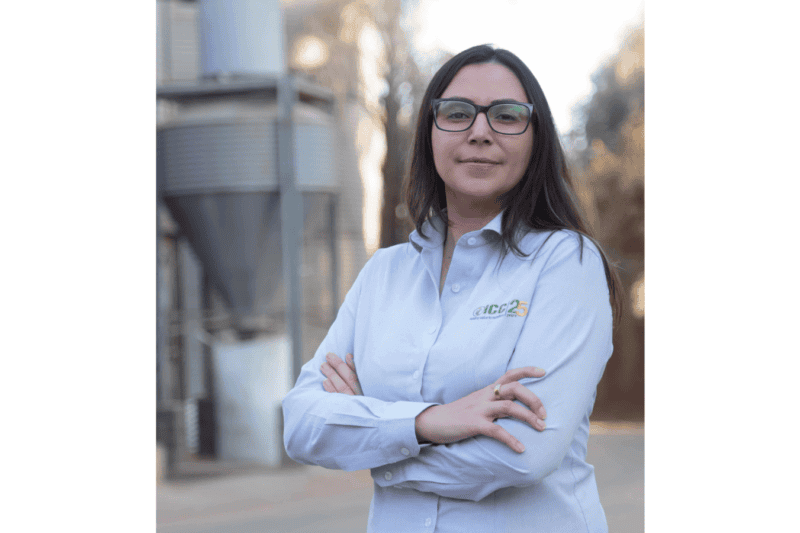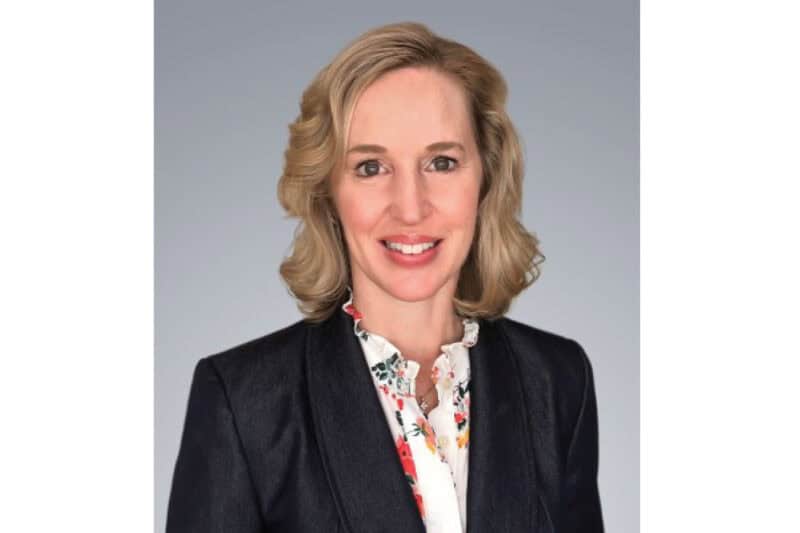
What role can upcycled ingredients play in the future of pet food? In this episode of the Real Science Exchange podcast, recorded live at Pet Food Forum, host Scott Sorrell is joined by co-hosts Robert Mason and Cindy Rasmussen, along with guests Dr. Ann Marie D. Ocker of International Ingredients Corporation (IIC) and Trent Small, Vice President of Business Development at IIC. The discussion explores unlocking the value of upcycled ingredients in pet food and what this could mean for the industry.
Drawing from Dr. D. Ocker’s presentation, “Circular Nutrition: Unlocking the Value of Upcycled Ingredients in Pet Food,” the discussion explores how the pet food industry is leveraging upcycled ingredients, circular nutrition, and sustainable sourcing practices to create value from food-system co-products while supporting companion animal nutrition.
Episode 24: Circular Nutrition: Unlocking the Value of Upcycled Ingredients in Pet Food
🎧 Episode Overview:
To begin, Dr. D. Ocker shares her professional journey through academia, pet food research and development, human food innovation, and ingredient technology. Throughout her career, she has remained passionate about identifying opportunities to transform underutilized food resources into valuable nutritional ingredients.
Next, Trent Small discusses his role at International Ingredients Corporation and explains how IIC evaluates emerging ingredient opportunities, assesses manufacturing feasibility, and develops partnerships across multiple animal nutrition sectors. As a result, listeners gain a better understanding of how ingredient innovation moves from concept to commercial application. (03:44 – 08:56)
From there, the conversation shifts to defining circular nutrition and examining the growing role of upcycled ingredients in pet food. Specifically, Dr. D. Ocker explains how food-system co-products that are no longer suitable for human retail markets can be safely and effectively repurposed into functional pet food ingredients rather than entering waste streams. (09:49 – 15:12)
To illustrate this concept, the panel reviews examples including dried cheese powders, bacon fat powders, dairy-derived ingredients, and other food-industry co-products. In many cases, ingredients may become unsuitable for retail sale due to packaging errors, labeling issues, or logistical challenges, yet they still retain significant nutritional value. (11:11 – 15:12)
Furthermore, the speakers explore the sustainability benefits of circular nutrition. Dr. D. Ocker reviews the EPA Food Recovery Hierarchy and highlights how directing food-system co-products toward animal and pet nutrition helps maximize resource utilization. Consequently, fewer valuable resources are lost through lower-value applications such as composting or disposal. (13:34 – 16:05)
In addition to sustainability considerations, the discussion addresses ingredient sourcing, safety, and regulatory compliance. The panel explains how suppliers and manufacturers collaborate through auditing programs, quality assurance processes, and traceability systems to ensure ingredient integrity throughout the supply chain. Therefore, pet food manufacturers can confidently incorporate alternative ingredient streams while maintaining quality and compliance standards. (17:08 – 19:41)
The conversation then turns to the distinction between co-products and by-products, a topic that often generates confusion among consumers. While many consumers associate certain ingredients with lower quality, the speakers emphasize that numerous highly nutritious ingredients, including organ meats and specialty animal-derived ingredients, are frequently underutilized because of perception rather than nutritional value. As such, consumer education remains an important opportunity for the industry. (19:42 – 23:37)
Innovation and Sustainability in the Future of Pet Food
Building on this discussion, the panel explores emerging opportunities in companion animal nutrition. For example, specialized dairy-derived ingredients sourced from colostrum and casein-containing streams may offer new possibilities for functional pet food products and targeted nutritional solutions. (24:28 – 27:56)
Meanwhile, sustainability reporting continues to play an increasingly important role across the pet food industry. The speakers review Scope 1, Scope 2, and Scope 3 emissions considerations and discuss why manufacturers are requesting more environmental data from suppliers than ever before. Ultimately, ingredient sourcing decisions can influence broader sustainability goals and corporate environmental initiatives. (27:57 – 34:43)
Finally, the episode concludes with a broader conversation about responsible sourcing, ingredient transparency, innovation, and purpose-driven product development. The panel encourages nutritionists, formulators, and pet food professionals to remain open to unconventional ingredient opportunities and to continue exploring ways to improve resource utilization across the food system. In doing so, the industry can support both sustainability objectives and the nutritional needs of companion animals. (34:44 – 43:10)
Conclusion
Please subscribe and share with your industry friends to invite more people. Join us at the Real Science Exchange – Companion Animal virtual pub table. Also, please be sure to register for our upcoming Real Science Lecture Series webinars.
Lastly, if you want one of our Real Science Exchange t-shirts, screenshot your rating, review, or subscription. Email the picture to anh.marketing@balchem.com. Include your size and mailing address, and we’ll mail you a shirt.