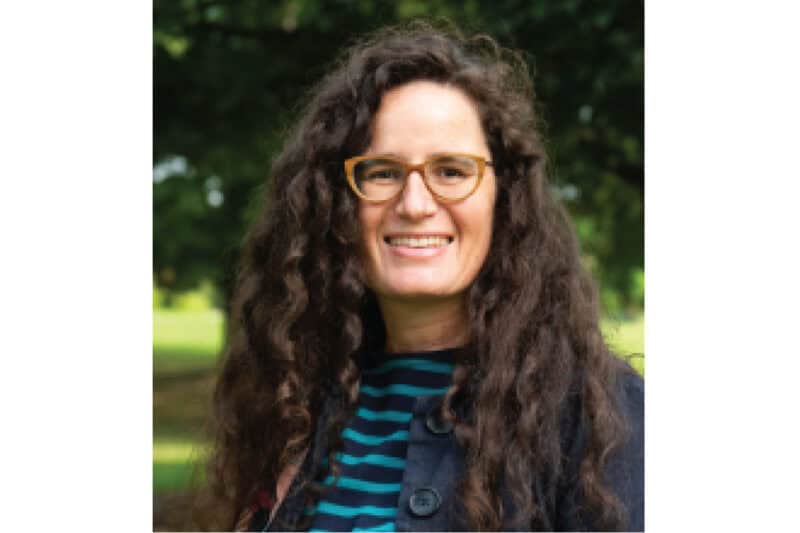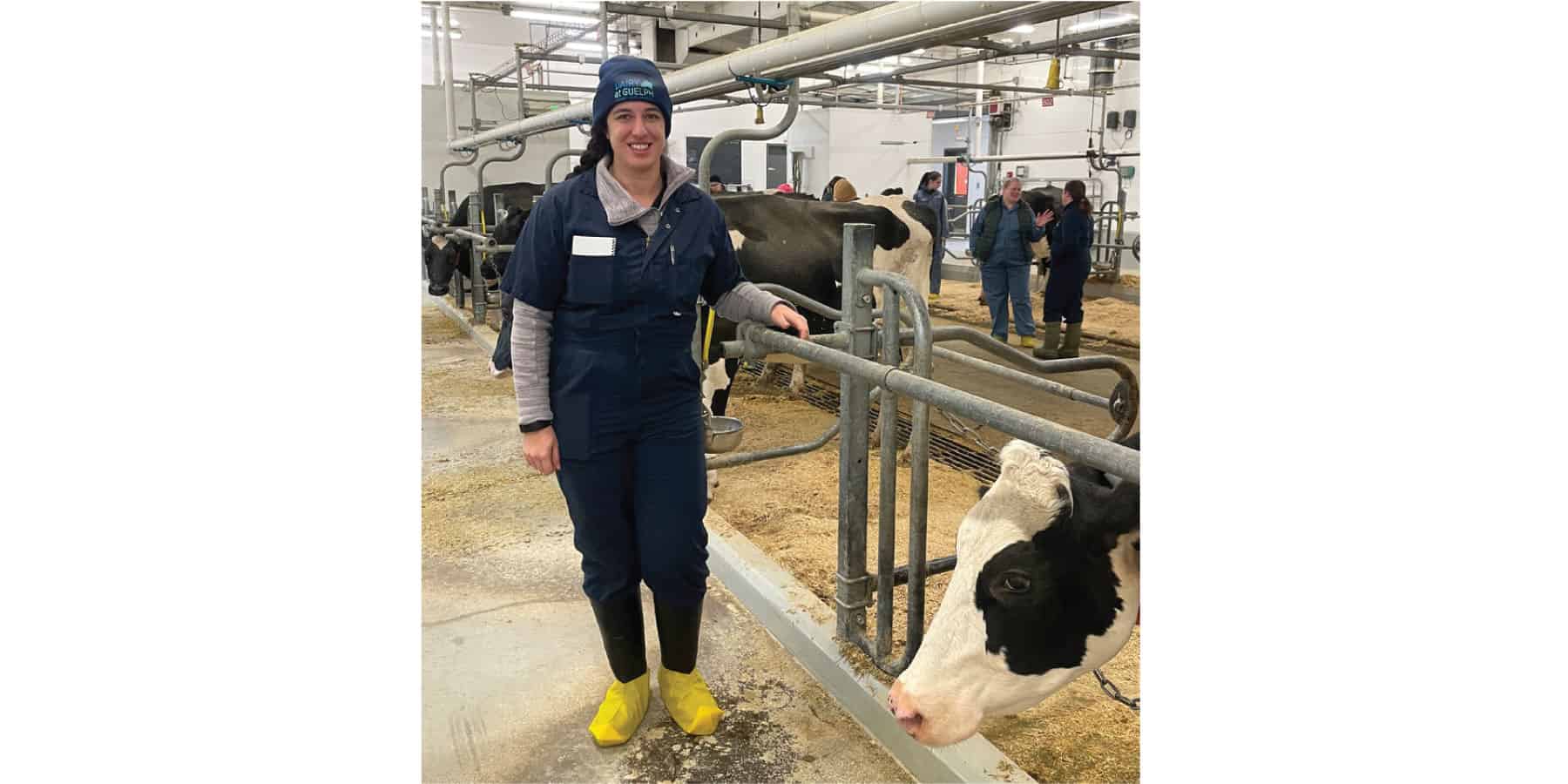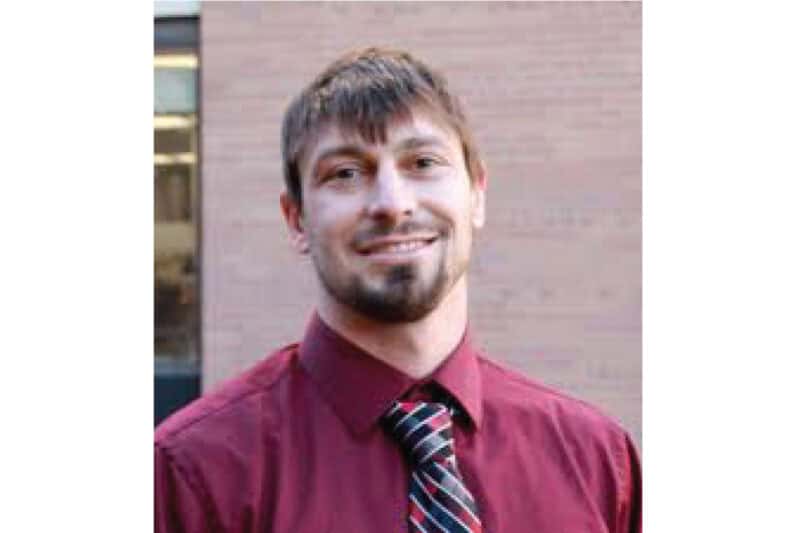
This episode’s guests were speakers on a Hot Topic Panel titled “Farm Management for the Future – Managing for Health, Welfare, and Performance” at the ADSA 2025 Annual Meeting.
Farm Management for the Future – Managing for Health, Welfare, and Performance
Timestamps:
First, Dr. Nelson gives some background on how the Hot Topic Panel idea came to be and introduces the rest of the guests. (1:07)
Next, Dr. Devries describes his research program in dairy cattle behavior and nutrition, particularly using behavior as a metric for understanding nutrition and housing management and using automated tools. He has particular expertise in automated milking systems. For example, he envisions incremental adoption of various automated tools to replace human labor in the manufacturing of milk. Consequently, he predicts this will manifest not only in automated or robot systems. There will also be increased automation in a traditional parlor system as well. (5:01)
Dr. Boerman, a nutritionist, collaborates with Dr. Amy Reibman, an engineer, at Purdue to research the use of video analytics on dairy farms. Projects include video prediction of cow intake and cow body weight combined with milk production information. These efforts aim to make improvements in feed efficiency. She emphasizes that technology needs to be used across a large number of farms without disrupting the farm. The panel talks about what technologies are currently available, challenges in identifying individual cows, and specific issues created for technology in a dairy farm environment. Dr. Boerman notes that a collaborative effort with colleagues of different expertise leads to the most optimal outcomes. (15:42)
Dr. Giordano talks about monitoring systems for reproduction, health, and welfare. Wearable sensors are a good example of a technology that can be used to monitor both reproduction and health, as well as aspects of nutritional management. The goal of many research programs in this area is to touch cows as little as possible. Yet, they aim to intervene as early and intensely as possible with cows who truly need intervention. An intervention could be a treatment to ameliorate or reduce clinical signs, or it could be a preventative intervention that prevents the cow from developing a clinical health disorder. More work is needed to refine algorithms and integrate data. Likewise, more work must go into distilling the data into what is most valuable to make the best predictions at the most reasonable cost. (34:08)
Lastly, the panel further discusses the challenges of data integration, adequate internet and power access on farms, human error for manual data entry, and future training challenges for dairy farm and allied industry employees.(38:32)
Panelists share their take-home thoughts. (52:26)
Conclusion
Please subscribe and share with your industry friends. Invite more people to join us at the Real Science Exchange virtual pub table. In addition, please be sure to register for our upcoming Real Science Lecture Series webinars.
Finally, if you want one of our Real Science Exchange t-shirts, screenshot your rating, review, or subscription, and email a picture to anh.marketing@balchem.com. Include your size and mailing address, and we’ll mail you a shirt.