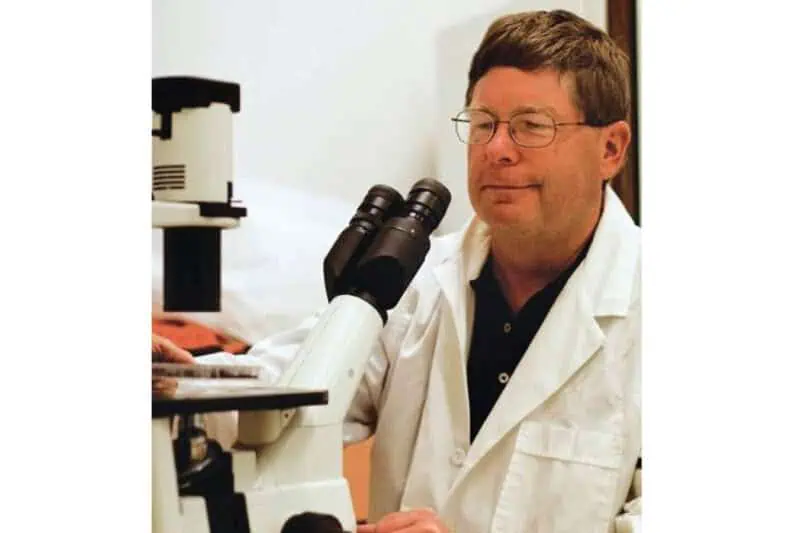
Recorded live at the Tri-State Dairy Nutrition Conference, this episode of the Real Science Exchange brings together a distinguished panel of dairy nutrition experts including Ralph Ward, Dr. Jesse Goff, Dr. Bill Weiss, and Dr. Maria Spindola. Their conversation explores some of the most pressing challenges in dairy nutrition today. In particular, they cover topics from trace mineral variability and TMR analysis to forage contamination, sulfur antagonisms, and the future of feed testing technologies.
Episode 213: Trace Mineral Levels in Feedstuffs and Changes Over Time
Drawing on decades of research and practical field experience, the panel begins by examining large laboratory datasets. These reveal substantial variation in trace mineral concentrations across forages and total mixed rations. Consequently, these observations highlight the importance of understanding real-world variability rather than relying solely on average values when making nutritional decisions. (00:00–03:16)
Is TMR Testing Reliable?
The discussion quickly moves into one of dairy nutrition’s most debated topics: the reliability of TMR testing. While many nutritionists use TMR analyses as a quality control measure, others remain skeptical. This skepticism comes from the challenges associated with obtaining representative samples from inherently heterogeneous rations. However, the panel agrees that TMR testing can provide valuable information, but only when consistent sampling protocols and proper laboratory procedures are followed. (03:16–06:46)
Building on this theme, the group discusses mixer studies as a powerful quality control tool. By evaluating nutrient variation within a load and across multiple batches, producers and nutritionists can better assess feeding consistency. Moreover, they can identify operational issues and improve ration delivery accuracy. These studies often provide a more complete picture of feeding performance than a single feed sample alone. (06:46–12:12)
A significant portion of the conversation focuses on trace mineral supplementation practices. The panel notes that although average mineral concentrations may appear appropriate on paper, many diets still contain excessive levels of trace minerals. Overfeeding can increase costs and contribute to nutrient antagonisms. Even more, it can impair rumen function and raise concerns about toxicity. The experts emphasize the importance of balancing supplementation programs based on actual dietary contributions rather than adding large safety margins. (12:13–16:46)
Soil Contamination and Its Impact on Forage Quality
The discussion then shifts to the impact of soil contamination on forage analysis and nutrient interpretation. Soil contamination can dramatically influence ash concentrations and artificially inflate measured trace mineral levels. This creates challenges for nutritionists attempting to accurately evaluate feed value. The panel highlights emerging approaches, including the use of carbon measurements as a more precise indicator of contamination. This advancement may improve how forage quality is assessed in the future. (16:47–25:47)
Regional differences in feed composition also receive considerable attention. Factors such as irrigation practices, soil characteristics, and co-product feeding programs can contribute to elevated sulfur and trace mineral concentrations in certain areas. As a result, these concentrations increase the risk of mineral antagonisms and affect nutrient availability. Understanding these local influences is essential for developing effective mineral nutrition programs that are tailored to specific production environments.
The Future of Feed Analysis: Amino Acids, AI, and Advanced Nutrition Modeling
Looking ahead, the panel explores innovations that could transform feed evaluation and ration formulation. Topics include amino acid profiling and the industry’s gradual move beyond crude protein as a primary nutritional metric. In addition, the potential for artificial intelligence to improve predictions of forage quality and nutrient composition is discussed. These advances may provide nutritionists with more accurate tools for optimizing dairy cow performance and feed efficiency. (35:16–41:10)
The episode concludes with a practical takeaway for dairy producers, nutritionists, and consultants: laboratory analyses and advanced technologies are most valuable when paired with a thorough understanding of feed variability and strong on-farm quality control practices. Whether evaluating trace minerals, interpreting forage analyses, or implementing new technologies, success ultimately depends on consistently managing variation throughout the feeding system.
Conclusion
Please subscribe and share with your industry friends. Invite more people to join us at the Real Science Exchange virtual pub table. Please be sure to register for our upcoming Real Science Lecture Series webinars.
Finally, if you want one of our Real Science Exchange t-shirts, screenshot your rating, review, or subscription. Then, email a picture to anh.marketing@balchem.com. Include your size and mailing address, and we’ll mail you a shirt.