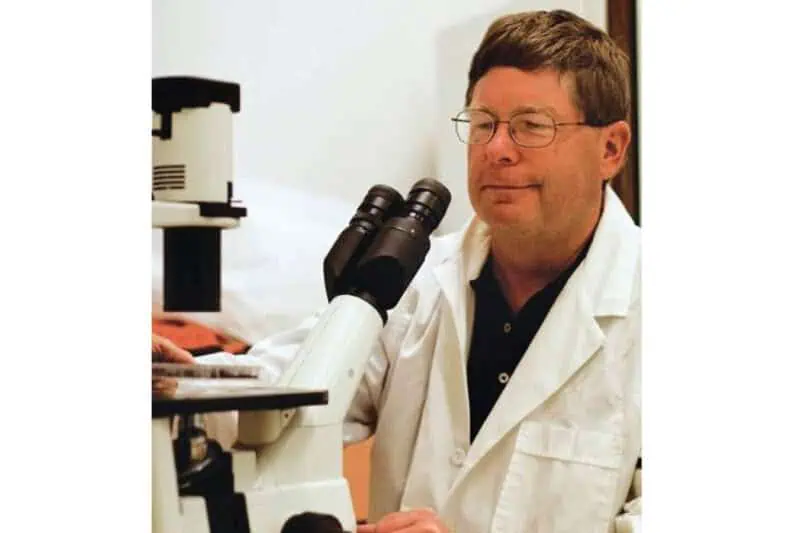
Feeding to minimum nutrient requirements may seem like a safe starting point—but in modern dairy nutrition, it can limit performance, increase risk, and reduce precision. This episode of the Real Science Exchange was recorded live at the Florida Ruminant Nutrition Conference. It features Dr. Bill Weiss alongside Steve Martin, Maria Spindola, and Stephanie Hansen. Together, they discuss practical, science-based approaches to trace mineral nutrition. This episode focuses on Trace Mineral Nutrition for Dairy Nutritionists and explores how to apply these approaches in real-world feeding programs to improve dairy cow performance and herd health.
Episode 201: Trace Mineral Nutrition: A Practical Guide for Dairy Nutritionists
In this conversation, the panel explains why minimum requirements are designed to prevent deficiency—not maximize productivity. Additionally, they explain how nutritionists must account for variability in intake, absorption, and on-farm conditions. The discussion also highlights how mineral bioavailability, antagonists, and source selection influence overall feeding outcomes. As a result, it provides clear, actionable insights for producers and nutritionists.
Mineral Requirements, Risk, and Real-World Application
The conversation begins with a comparison between NASEM requirements and real-world feeding practices, emphasizing that minimum nutrient requirements are designed to prevent deficiency—but may not support optimal dairy cow performance. From there, the panel explores how nutritionists apply safety margins to manage variability. Additionally, they balance toxicity risk and environmental impact within modern dairy systems. (04:21 – 08:19)
As the discussion progresses, the focus shifts to one of the most challenging areas in mineral nutrition—measuring absorption and translating it into practice. Because mineral absorption is difficult to quantify, nutritionists must make informed decisions based on estimates. This adds another layer of complexity to feed formulation and program design. (08:19)
From Formulation to the Mixer Wagon
The panel transitions into real-world application, highlighting how diets move from formulation on paper to execution on farm. They discuss the importance of feeding logistics, noting how variability in mixing accuracy, delivery, and animal intake can significantly impact the effectiveness of a mineral program. (09:58)
Attention then turns to key trace minerals, including copper and iodine, and the role of mineral antagonists in reducing bioavailability. Even when diets appear adequate on paper, these interactions can limit nutrient utilization and affect overall performance. The panel also explores how evolving research is reshaping copper supplementation strategies, improving precision while reducing the risk of overfeeding. (12:44 – 18:44)
Diagnostics, Testing, and Precision Nutrition
A major focus of the episode is the importance of diagnostics and testing in building accurate mineral programs. The panel emphasizes the need to analyze feed, water, and forage inputs to fully understand total mineral supply. They note that overlooked sources can significantly influence dietary balance. (20:32)
They also discuss how factors such as molybdenum levels, ash content, and forage variability can complicate formulation and reduce mineral availability. For more advanced evaluation, tools like liver biopsies are highlighted as a way to assess true mineral status. These tools can also help guide decision-making. (23:33 – 27:54)
Optimizing Performance Through Mineral Nutrition
The conversation then shifts toward optimization, focusing on how nutritionists can move beyond adequacy to improve outcomes. A systematic approach to testing and evaluation is presented as a key strategy for refining mineral programs and improving feeding precision. (31:14)
The panel connects mineral nutrition to important health indicators such as hoof integrity, immune function, and oxidative balance, highlighting the roles of selenium and vitamin E in supporting antioxidant systems and overall cow health. Practical tools, including checklists and evaluation frameworks, are shared to help nutritionists build more consistent and effective programs. (35:09 – 41:45)
Looking Ahead: Sources, Digestion, and Emerging Insights
As the conversation continues, the panel explores additional factors that influence mineral nutrition, including water quality and background mineral contributions, which are often overlooked but can significantly impact total intake. (43:37)
They also discuss emerging insights in areas such as manganese nutrition, differences between beef and dairy mineral requirements, and key research gaps that continue to shape the industry. The debate around sulfate trace minerals and fiber digestibility is also addressed. The panel focuses on how mineral source selection influences rumen function and nutrient utilization. (46:35 – 51:21)
Final Takeaways and Practical Insights
In the final segment, the panel highlights practical strategies for improving mineral programs, including evaluating alternative (non-sulfate) mineral sources to enhance bioavailability and performance. They also discuss the role of cobalt in vitamin B12 synthesis and rumen function, reinforcing the importance of understanding each mineral’s role within the larger system. (53:18 – 56:06)
The episode concludes with key takeaways on building precision dairy nutrition programs that move beyond minimum requirements. By accounting for variability, interactions, and real-world feeding conditions, nutritionists can develop more effective strategies to improve performance, efficiency, and herd health outcomes. (58:12)
Join the Real Science Exchange
Please subscribe and share with your industry friends. Invite more people to join us at the Real Science Exchange virtual pub table. Please be sure to register for our upcoming Real Science Lecture Series webinars.
Finally, if you want one of our Real Science Exchange t-shirts, screenshot your rating, review, or subscription. Then, email a picture to anh.marketing@balchem.com. Include your size and mailing address. As a result, we’ll mail you a shirt.