In this episode of The Real Science Exchange, leading scientists and industry experts gather for an in-depth discussion on chelated trace minerals. They explain what chelated trace minerals are, how they work, and why details like chemistry, antagonists and credible sourcing matter more than ever. In addition, the conversation covers topics from bioavailability and microbiome effects to over-supplementation and real-world formulation challenges. This conversation combines hard science with practical application.
Timestamps:
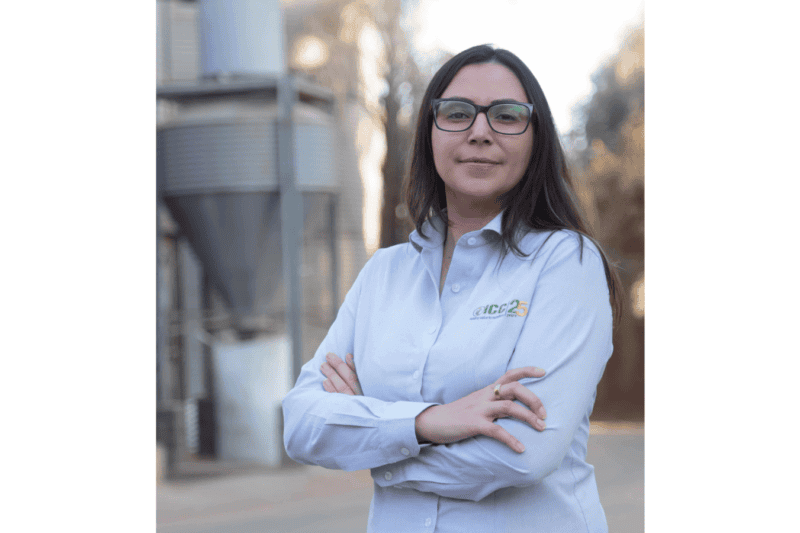
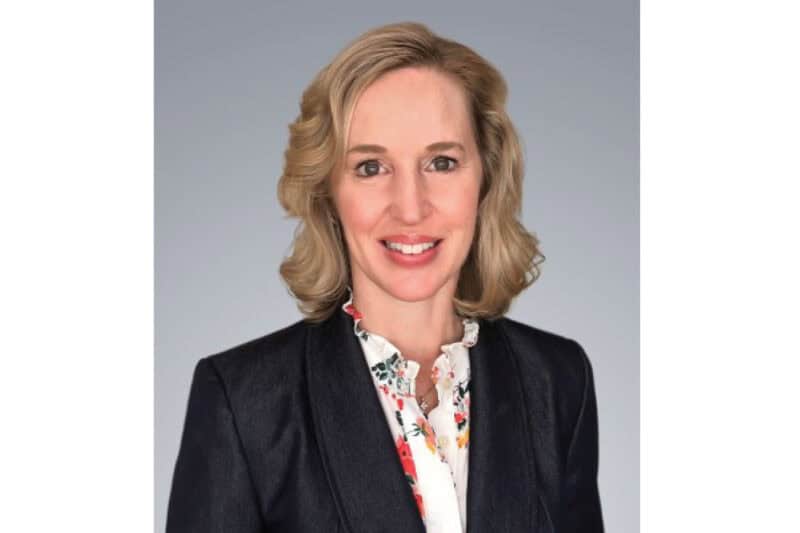
Host Scott Sorrell begins the episode by setting expectations for a science-first conversation on chelated trace minerals. He notes panelist affiliations while emphasizing that the discussion is grounded in research, not promotion. Stephen Ashmead, Senior Fellow for Chelates with Balchem, shares the origins of chelated mineral technology through Albion Laboratories. This company was founded in 1956 by his grandfather, Harvey Ashmead, after recognizing challenges with mineral absorption. The conversation also introduces Dr. Bill Weiss of The Ohio State University and co-host Dr. Maria Spinola. She brings both veterinary and applied nutrition perspectives to the discussion. (00:08)
The panel explains chelated minerals from a chemistry standpoint, describing how organic ligands form stable ring structures around trace minerals. This structure helps protect them from antagonists in feed and water. The discussion also extends beyond dairy into human nutrition. It includes examples such as magnesium and iron, highlighting how mineral interactions affect absorption across species. (09:20)
Dr. Weiss and Dr. Spinola discuss emerging research showing that mineral sources can influence rumen and intestinal microbial populations. The group also explores how inorganic minerals can accelerate the degradation of vitamins A and E in premixes. This is particularly true over time and under heat. In contrast, organic minerals are largely inert and help preserve vitamin potency. (14:20)
The panel acknowledges the difficulty of trace mineral research due to limited biomarkers and subtle performance responses. They emphasize the importance of using averages for forage mineral contributions rather than relying on single samples. Furthermore, they caution against assuming zero mineral supply from forages. (25:00)
A candid discussion centers on over-supplementation, with consensus that many diets exceed trace mineral requirements, particularly for copper and vitamins. Dr. Weiss explains the difference between requirements and recommendations. He notes that modest safety margins are justified to account for biological variability. However, feeding two to three times the requirements increases cost and risk without clear benefit. (37:57)
The episode concludes with a warning against “too-good-to-be-true” organic mineral products, explaining why unusually high metal percentages often indicate inferior chemistry. The panelists emphasize that mineral quality, ligand structure and supplier credibility are important in the long term. The panel’s final takeaways reinforce feeding minerals thoughtfully, enough to meet needs, but not in excess. Lastly, you need to consider the microbiome effects, vitamin stability and consistency in delivery when feeding these mineral products. (49:41)
Conclusion
Please subscribe and share with your industry friends to invite more people. Join us at the Real Science Exchange – Companion Animal virtual pub table. Please be sure to register for our upcoming Real Science Lecture Series webinars.
If you want one of our Real Science Exchange t-shirts, screenshot your rating, review, or subscription. Email the picture to anh.marketing@balchem.com. Include your size and mailing address, and we’ll mail you a shirt.